Specifications and availability
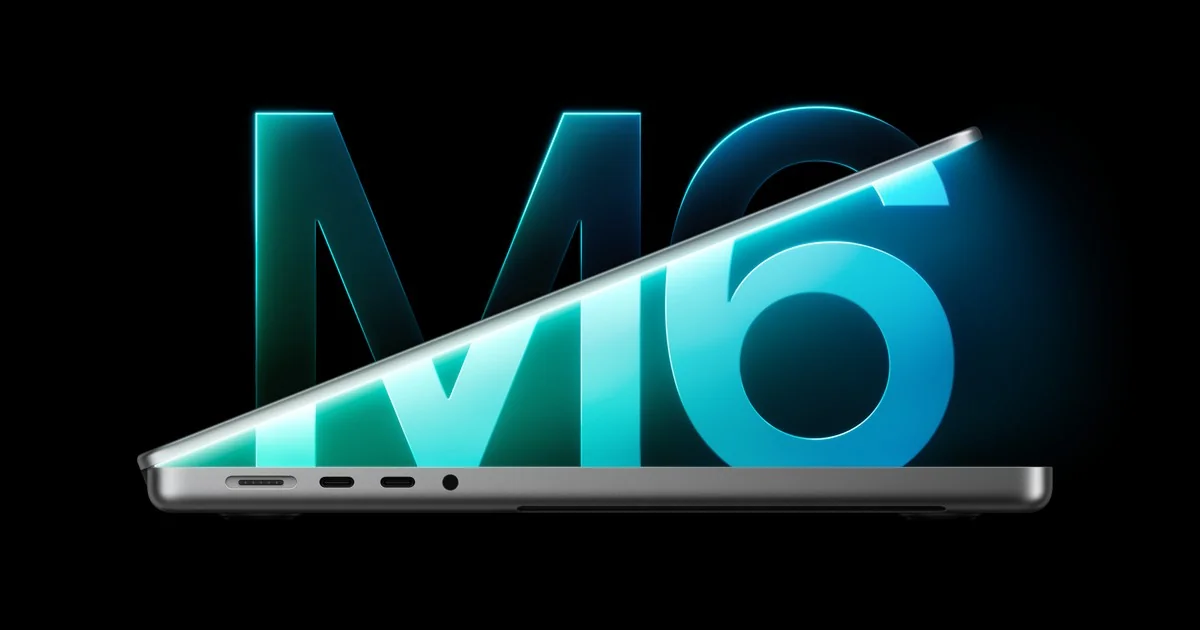
Apple lists 12-core CPU and GPU designs, 16GB of standard unified memory configurable to 32GB, Wi‑Fi 7 and Bluetooth 6. The company claims up to 24 hours of battery life. Preorders began October 28, with availability from November 6.
The performance claims
Apple reports up to 30% faster graphics and up to 25% faster local AI workloads compared with M5. Those are announced upper-bound results under Apple’s testing conditions, not a promised improvement for every application.
Evaluate a development workflow
Our recommendation is to compare your own work cycle: opening a project, building it, running tests and keeping supporting services active. The question is not only individual core speed but whether the configuration supports all required processes together.
Choose a representative project instead of a random brief benchmark. Repeat the check under comparable conditions and examine battery-powered use separately. That makes the result easier to connect to a working day rather than an isolated score.
Questions for local AI use
First define the model, task size and acceptable waiting time. A newer chip alone does not establish whether a local tool will feel comfortable in the chosen configuration.
Ask for a demonstration of your scenario or look for an independent test with similar conditions. Distinguish time to first response, subsequent generation and the ability to keep other applications open. Those are separate aspects of the experience; one attractive number cannot substitute for all of them.
Who should consider upgrading
Our assessment is that interest in M6 should be connected to a limitation in the current machine. If one process holds up work, compare that process directly. Where performance is already sufficient, the announcement of a new generation alone does not establish a replacement need.
Evaluate required memory and storage, local warranty conditions and peripheral compatibility when choosing a configuration. We have not independently measured this model; the specifications and percentages above are attributed to Apple.