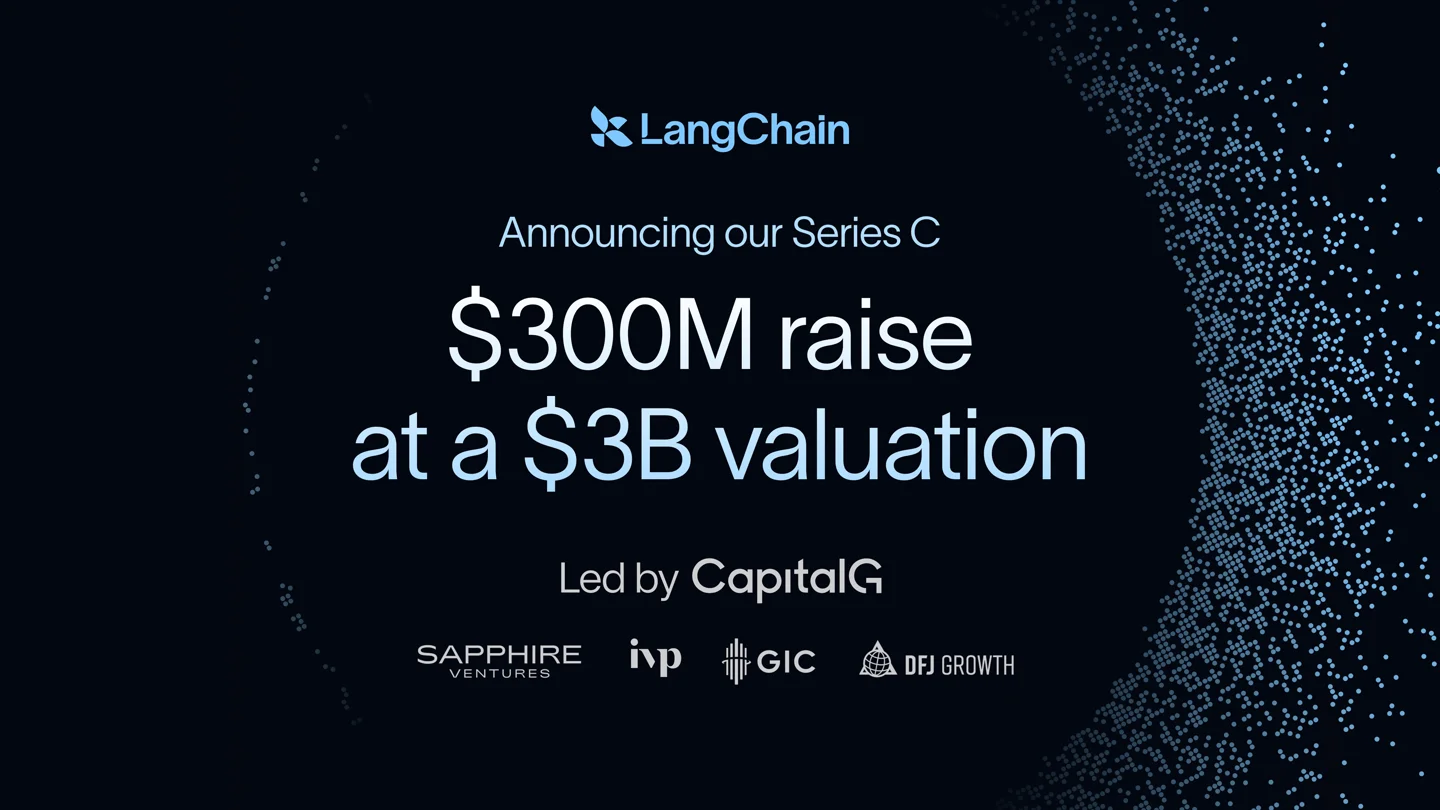
What the investment supports
LangChain positions LangSmith around running, improving and governing agents. This includes execution infrastructure, observability, evaluation and control over tool access. The company emphasizes flexibility across models and deployment environments. Those statements describe its product strategy, rather than independently proving superiority over competing systems. The investment is notable because it backs the operational layer of AI: turning a convincing demonstration into a repeatable service involves problems that a model API alone does not solve. Reliability, investigation and controlled improvement become ongoing engineering work once agents serve actual users.
Why agents create another software layer
A deployed agent needs context, tools and permissions to behave consistently. Engineers need to understand which step failed, what consumed the budget and whether an instruction change damaged previously successful tasks. Our interpretation is that these requirements support a separate market for agent engineering platforms. That does not mean every application needs a large framework. A small integration may be appropriate for a narrow workflow, while a long-running system with external effects demands more execution control. The useful comparison is between requirements and capabilities, rather than between the size of funding announcements.
Keep business claims separate
Customer counts and development-speed examples in the announcement are LangChain’s own claims. We have not treated them as audited financial results or assumed they apply to every organization. Similarly, an investment valuation does not establish profitability, revenue or product quality. Readers should separate the confirmed transaction from customer examples, planned releases and investor expectations. That distinction makes startup coverage more useful: a financing event can be important without becoming a blanket endorsement of the company’s technology or a prediction that its commercial strategy must succeed.
What developers should examine
A platform evaluation still starts with log export, data portability, model support, cost controls and failure recovery. Teams should establish which components are open source and which depend on a managed commercial service. New capital gives LangChain resources to pursue its strategy, but does not remove vendor-dependence questions. The broader signal is that agent infrastructure has become an investment category of its own. Its practical value will be demonstrated by dependable workflows, visible failure analysis and measurable application outcomes, not by the transaction size alone.