What Language Explorer is
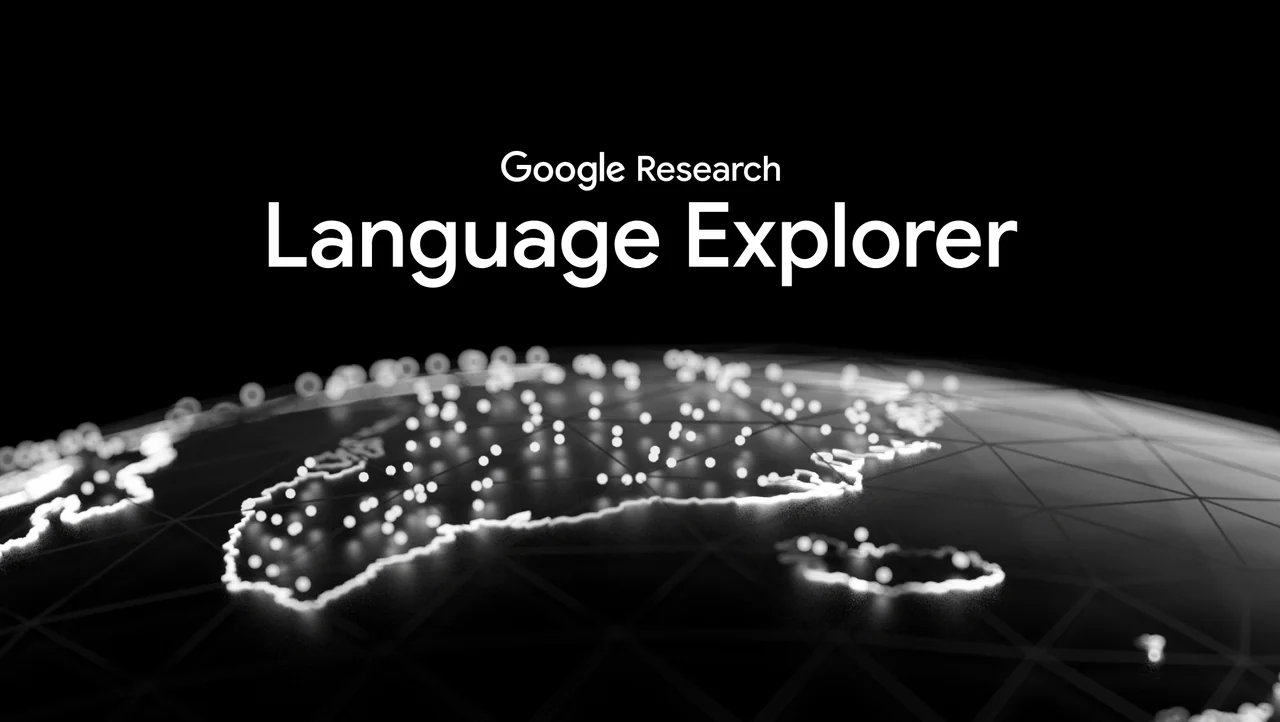
Google describes a web platform visualizing data across thousands of languages, developed within the 1,000 Languages Initiative using the open LinguaMeta dataset. It is also featured as an interactive installation at Berlin’s Museum of Communication.
Where a language map can help
Our interpretation is that the visualization provides a starting point for discussing which languages people expect to encounter in technology and which they overlook. An educator might use it to introduce a lesson; a researcher might use it to formulate a more focused question.
A map should not replace an explanation of how its data was collected. Before comparing categories, establish what counts as a language or variety, where the information comes from and which elements remain unknown.
Representation is not the same as AI quality
A language appearing in a catalog, interface or dataset does not establish how well a particular AI service handles it. We suggest separating coverage, availability of a specific use case and actual quality within that use case.
For a Ukrainian product, evaluation might include proper names, inflection, specialist terms and regional context. A short generic example cannot test all those properties. A correct translation of one sentence is not an evaluation of an entire service either.
Read visualizations critically
Our recommendation is to inspect the legend and data-source description before drawing conclusions from colors or element sizes. An expressive visualization can assist exploration, but it does not replace definitions and methodology.
When using the tool in teaching or a publication, preserve the question and consultation date. That makes comparisons easier to repeat and avoids turning a passing impression into a categorical claim about a language community.
What the announcement means
We see Language Explorer’s value in enabling exploration rather than automatically identifying a model that works best for every language. Ukrainian performance in individual AI products needs its own evaluation. This announcement concerns a tool for investigating linguistic diversity.