
The route ran through engineering systems
According to 1Password, an attacker accessed an employee’s corporate GitHub account, obtained private source code and used that access to push malicious code to backend services. Those services downloaded administrative customer information. The company also reports access to its CI/CD system and possible exposure of internal infrastructure credentials, which it began rotating. The disclosure does not explain how the initial employee-account compromise happened. There is therefore no basis to assign it to a particular credential-theft technique or assume the same route affected customers directly.
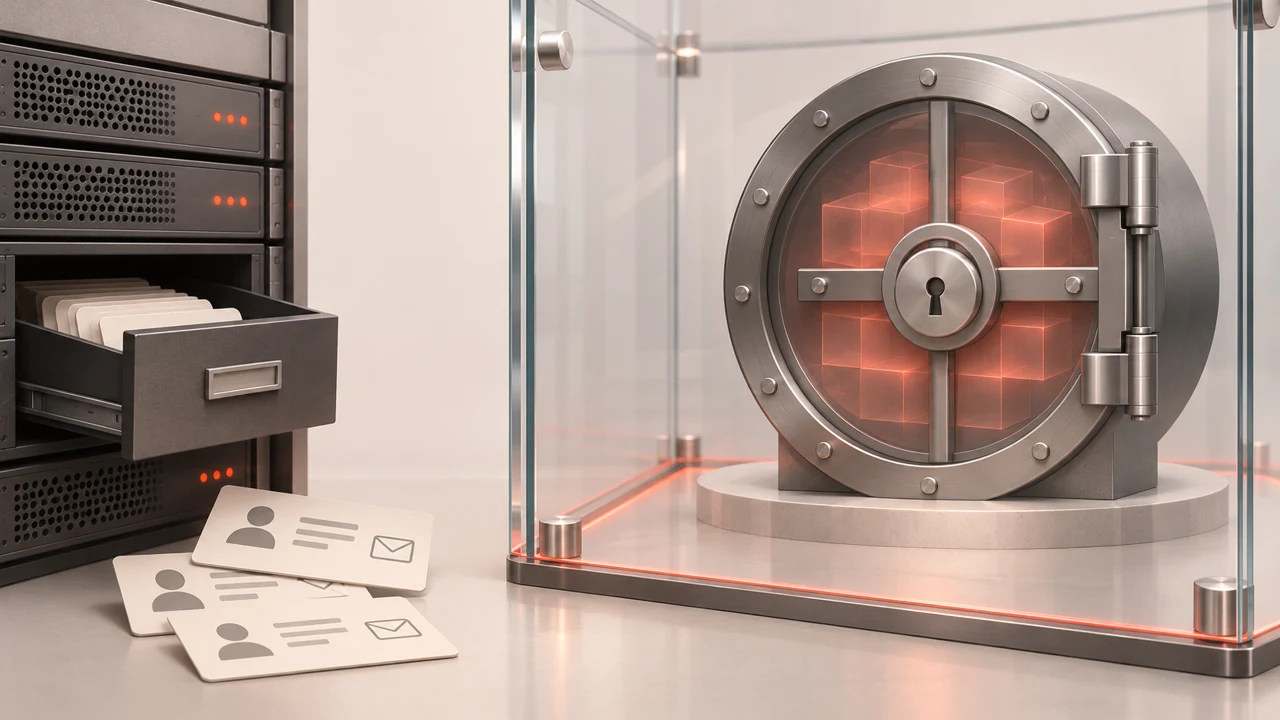
The stolen records had a defined scope
The listed data includes names, email addresses, account and user identifiers, creation and last-sign-in times, public keys, Secure Remote Password protocol parameters and non-secret internal account metadata. Tokens present in certain invitation, provisioning and recovery email links were also included. Public keys are distinct from secret vault keys. Administrative records do not establish that stored passwords were stolen or that every customer was affected. The company’s account of the incident needs to be read at that level of specificity rather than reduced to an undifferentiated password-manager breach.
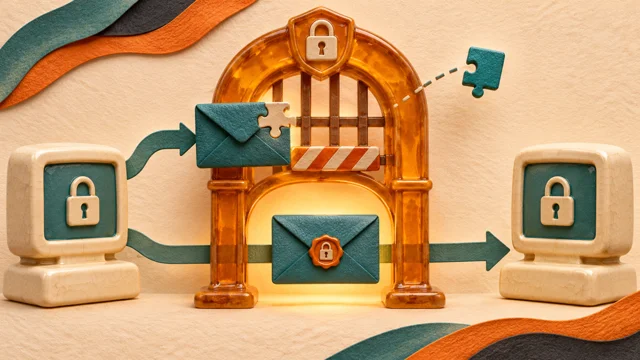
Email-link tokens required another step
1Password says the relevant tokens cannot provide account access on their own. Completing the process also requires an SSO sign-in or a code sent to the registered email address. A small number of users who were in that state were specifically notified. As a precaution, invitation and recovery codes were lengthened from six numeric digits to ten alphanumeric characters. This is a reported change made by the provider, rather than an instruction to initiate account recovery or alter a reader’s security configuration.
The company separates vault security from metadata
The disclosure lists vaults, their items and protecting keys, account recovery keys, applications and browser extensions as unaffected. It also says the company does not store account passwords or Secret Keys and found no internal evidence of account takeover using exposed provisioning tokens. These are attributed findings from the current investigation, not an independent audit performed by this publication. The notice leaves the overall number of affected accounts unspecified, so the service’s total customer base cannot be treated as the size of the incident.
Containment does not remove phishing risk
1Password disabled the affected GitHub account, revoked the stolen token, removed attacker-created access and tightened internal controls. Independent specialists were brought in to validate containment and remediation. The company says services operate normally and customers do not need to update their accounts. It nevertheless warns about unexpected messages, calls or emails invoking 1Password invitations or recovery. Disclosure of an incident is not a request to share an account password or Secret Key. We read public statements without accessing actual customer records or changing any account.
Discussion.
Your perspective matters. Sign in, pick a nickname and choose your cyber identity.
Loading discussion…
Your account name, email and photo stay off your comments.